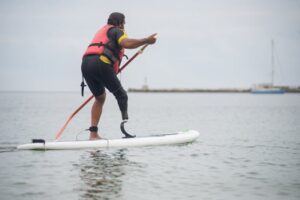
Imagine a patient, weary from a debilitating injury or chronic illness, staring out at the gentle lapping of waves. The usual sterile environment of a clinic, with its fluorescent lights and predictable routines, is replaced by an expansive vista of sky and water. This isn’t just a change of scenery; it’s the profound, often understated, therapeutic potential unlocked by a waterside health & rehab center. While traditional rehabilitation centers offer essential services, those situated by the water tap into a unique confluence of environmental and psychological factors that can significantly enhance the healing journey.
For many, the very mention of water conjures feelings of calm, renewal, and even a primal connection to nature. A waterside health & rehab center leverages this inherent power, weaving it into the fabric of recovery programs. It moves beyond purely clinical interventions to embrace a holistic approach, recognizing that the mind and body are inextricably linked and that the environment plays a critical role in fostering resilience.
The Hydrotherapy Advantage: More Than Just a Dip
Hydrotherapy is, perhaps, the most obvious benefit of a waterside location. The therapeutic properties of water have been recognized for centuries, and modern science continues to illuminate its effectiveness. At a waterside health & rehab center, access to water for therapeutic purposes is inherent.
Buoyancy and Reduced Joint Stress: The natural buoyancy of water significantly reduces the impact on joints and muscles. This is invaluable for individuals recovering from orthopedic surgery, experiencing arthritis, or dealing with chronic pain. Therapists can guide patients through exercises that would be too painful or strenuous on land, allowing for earlier and more effective mobility gains.
Resistance and Muscle Strengthening: While providing support, water also offers gentle resistance, which can be expertly manipulated by therapists to build muscle strength and endurance without the high risk of injury associated with traditional weight training.
Thermal Effects: The temperature of the water can be adjusted to promote relaxation (warm water) or reduce inflammation and stimulate circulation (cooler water), offering versatile applications for different conditions and patient needs. I’ve often found that patients who are hesitant about traditional exercise find the water a much more forgiving and encouraging medium to start their strengthening journey.
Beyond the Pool: The Soothing Symphony of Nature
The benefits of a waterside setting extend far beyond the specific application of hydrotherapy. The natural environment itself acts as a powerful, non-invasive therapeutic agent.
#### The Psychological Impact of Serene Surroundings
The visual and auditory stimuli of a waterside location can profoundly impact a patient’s mental state.
Stress Reduction and Anxiety Alleviation: Studies have consistently shown that exposure to natural environments, particularly those with water features, can lower cortisol levels (the stress hormone), reduce blood pressure, and decrease feelings of anxiety and depression. The rhythmic sound of waves or the sight of a tranquil lake can be incredibly calming.
Improved Mood and Motivation: The aesthetic appeal of a waterside setting can foster a sense of peace and well-being, which in turn can boost a patient’s mood and motivation to engage with their rehabilitation program. The desire to spend more time outdoors, enjoying the view, can translate into a greater willingness to participate in therapy.
Enhanced Mindfulness and Connection: The gentle, consistent presence of nature encourages a sense of presence and mindfulness. Patients can find themselves more attuned to their surroundings, fostering a deeper connection to their own bodies and the healing process. It’s interesting to note how quickly the natural world can shift a person’s focus from their pain or limitations to a sense of possibility.
Integrated Therapies: A Synergistic Approach
A well-designed waterside health & rehab center doesn’t just offer hydrotherapy and pretty views; it integrates these elements with a comprehensive suite of evidence-based rehabilitation services.
##### Occupational Therapy in an Inspiring Environment
Occupational therapists focus on helping patients regain the skills needed for daily living. At a waterside center, this might involve:
Practicing fine motor skills by observing waterfowl.
Developing gross motor skills with supervised walks along the shore.
Engaging in horticultural therapy in waterfront gardens.
##### Physical Therapy with a Natural Edge
Beyond aquatic exercises, physical therapists can utilize the natural terrain for gait training, balance exercises, and improving endurance. The varied textures of sand, grass, and smooth pathways offer unique challenges and opportunities for progression.
##### Mental Health Support Enhanced by the Ambiance
For conditions that have a significant psychological component, the serene backdrop can amplify the effectiveness of traditional talk therapy, mindfulness practices, and group support sessions. The open space and natural beauty can create a less confining and more conducive atmosphere for emotional processing and healing.
Considerations for Choosing a Waterside Rehab Center
While the allure of a waterside setting is strong, it’s crucial to approach the selection process with a discerning eye, just as you would with any rehabilitation facility.
Program Specialization: Ensure the center offers specialized programs that align with your specific medical needs, whether it’s post-surgical recovery, neurological rehabilitation, pain management, or geriatric care.
Therapist Expertise: The quality of the rehabilitation staff is paramount. Look for certified therapists with experience in aquatic therapy and a holistic approach to patient care.
Facility Amenities and Accessibility: Consider the comfort and accessibility of the accommodations, dining services, and general facility. Is it truly equipped to support individuals with varying mobility levels?
* Accreditation and Reputation: Verify the center’s accreditations and seek out reviews or testimonials from past patients.
The Long-Term Ripple Effect
The experience at a waterside health & rehab center often leaves a lasting impact. Patients not only achieve their physical and functional goals but also carry with them the memories of a healing environment that nurtured their spirit as much as their body. This can foster a greater sense of resilience and a deeper appreciation for the restorative power of nature, encouraging healthier lifestyle choices long after discharge. The skills learned and the peace discovered by the water can be a powerful motivator for continued well-being.
Wrapping Up: Embracing Nature’s Healing Embrace
When exploring rehabilitation options, don’t overlook the potent, yet often subtle, advantages offered by a waterside health & rehab center. The synergy of expert therapeutic interventions with the calming, restorative influence of the natural environment can create a powerful catalyst for recovery. If you are seeking a holistic approach that nourishes both body and mind, consider how the gentle currents and expansive horizons of a waterside setting might guide you toward a more complete and profound healing experience.